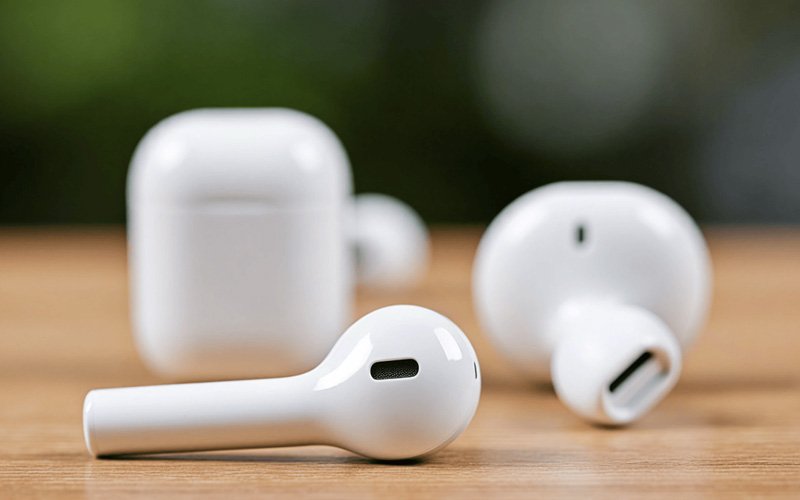
——Environmental protection and high-performance bonding solutions have become the focus of industry competition
In recent years, the global TWS (true wireless stereo) headphone market has continued to explode. According to IDC data, the shipment of TWS earphones has exceeded 300 million units in 2023, and it is expected that the compound annual growth rate will remain above 15% in the next five years. In this rapidly growing track, a seemingly “invisible” link is becoming the key to innovation in the industrial chain – adhesive technology.
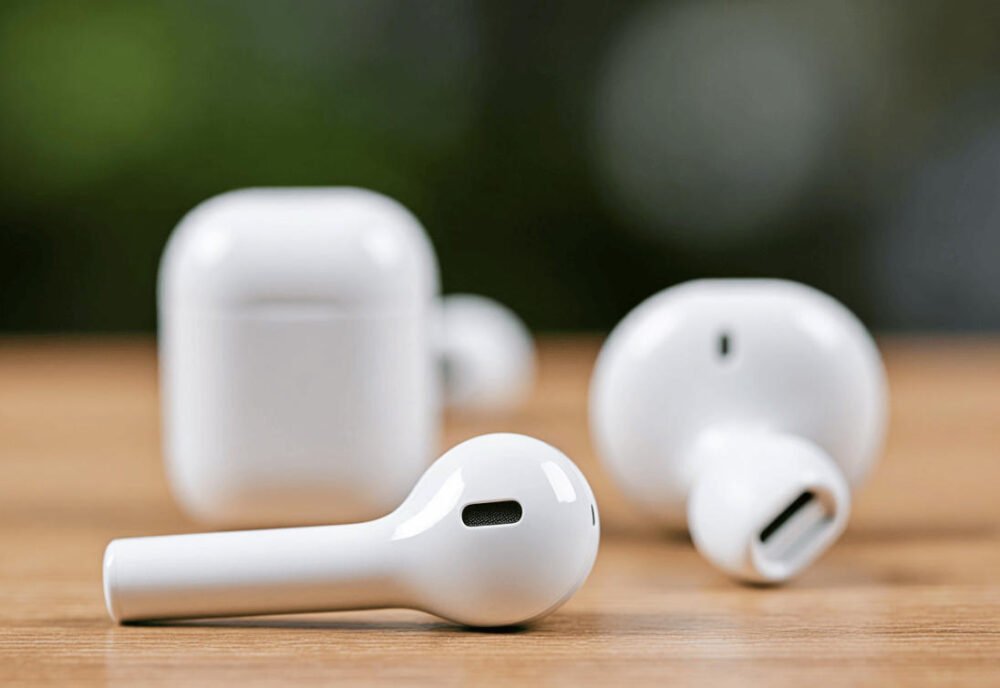
Glue: The ‘invisible guardian’ of TWS earphones
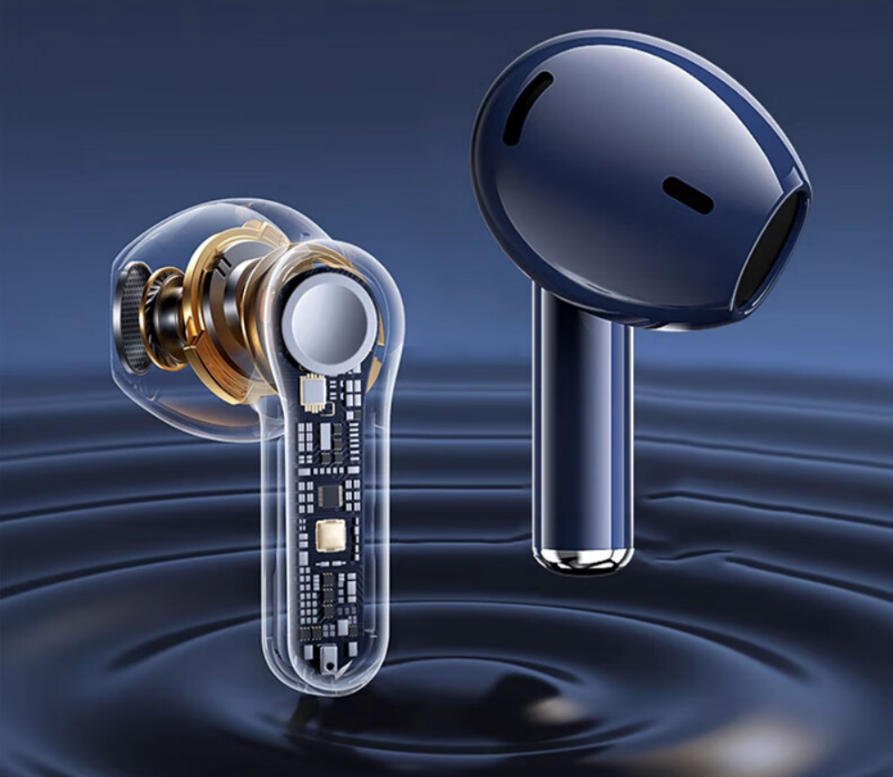
The internal structure of TWS earphones is highly integrated, involving multiple precision components such as chips, batteries, sensors, etc., and must meet strict requirements such as waterproofing, drop resistance, and long-term wearing comfort. Adhesive, as the core auxiliary material, runs through the entire product design process:
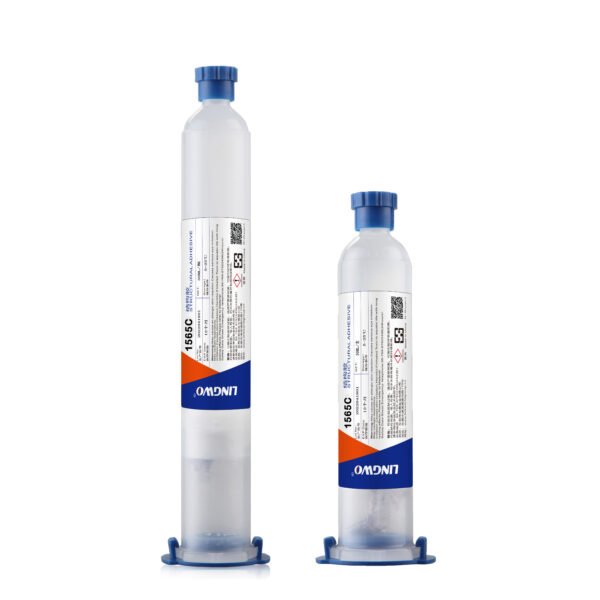
Structural bonding: Epoxy resin and acrylic adhesive are used for fixing motherboards and bonding shells, requiring both high strength and seismic resistance;
Sealing protection: Silicone and polyurethane adhesives should be used for IPX7/8 waterproofing to resist sweat and rainwater erosion;
Comfort optimization: Biocompatible adhesive ensures safe contact between earplugs and skin, leading to a surge in demand for low allergenic materials;
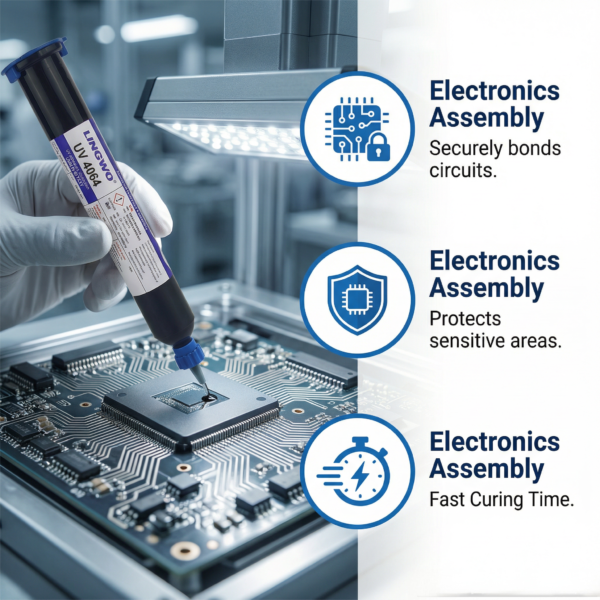
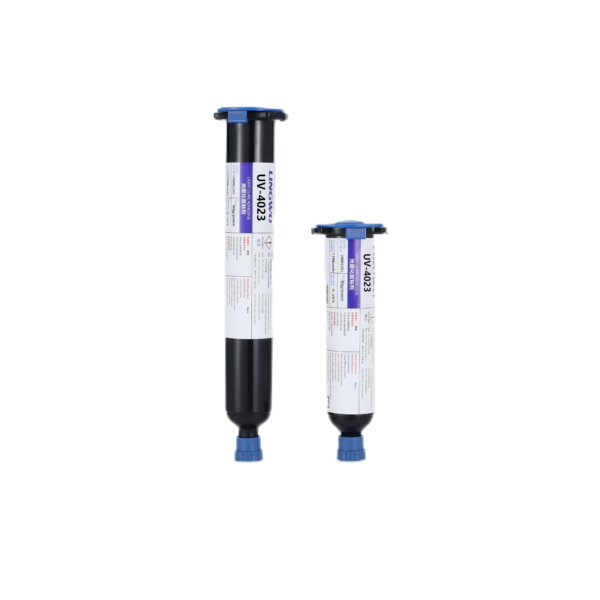
Micro adaptation: UV cured adhesive assists in precise dispensing of micro sized gaps, meeting the trend of product lightweighting.
According to Grand View Research, the global consumer electronics adhesive market size has exceeded 8.5 billion US dollars in 2023, with TWS earphones contributing 22% year-on-year, becoming one of the fastest-growing segments.
Technological breakthrough: dual line upgrade of environmental protection and performance
In response to consumers’ increasing demand for product durability and environmental standards, leading rubber companies are accelerating technological iteration:
1. Solvent free adhesive: Henkel and 3M have launched low VOC (volatile organic compound) water-based adhesives to reduce production pollution and comply with the EU REACH regulation;
2. Low temperature curing solution: Shin Etsu in Japan has developed curing adhesives below 60 ℃ to avoid high-temperature damage to precision components;
3. Repackable adhesive layer: Chinese manufacturer Lingwo has developed reversible hot melt adhesive to improve repair efficiency and reduce after-sales costs;
4. Flexible conductive adhesive: supports the bonding of flexible circuit boards, paving the way for the design of foldable headphones.
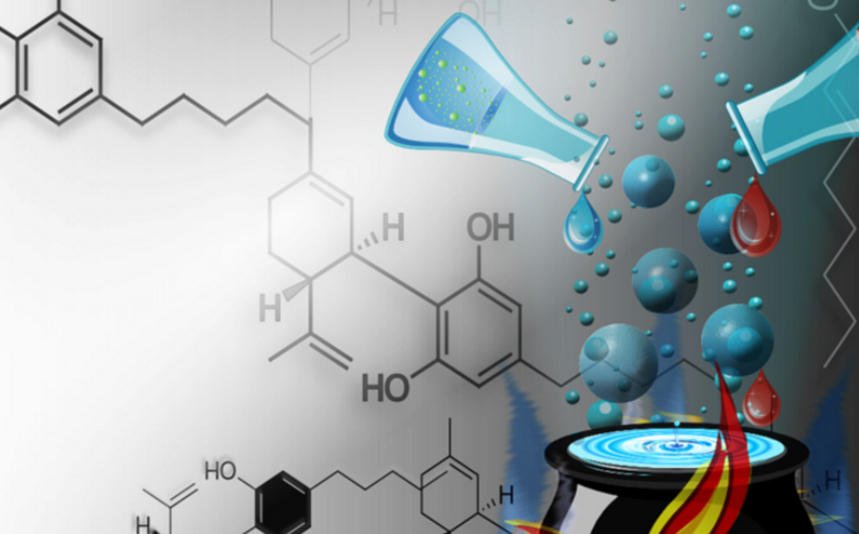
The adhesive used for TWS earphones has shifted from a single bonding function to a ‘structural material’ role. In the next three years, the penetration rate of environmentally friendly adhesives is expected to increase from 35% to over 60%. ”
Industrial chain synergy: domestic substitution accelerates breakthrough
Faced with the technological monopoly of international manufacturers, Chinese rubber companies are breaking down barriers through industry university research cooperation. For example, Huitian New Materials and Huawei jointly developed a sweat resistant headphone sealant, which increased the yield to 99.5%; Lingwo has launched ultra fast curing UV glue, which improves dispensing efficiency by 30% and has been introduced into the supply chains of Xiaomi and OPPO.
At the same time, upstream equipment manufacturers are also innovating synchronously. Yaskawa Electric has launched a fully automatic glue dispensing robot with a precision of 0.01mm, which can adapt to irregular headphone cavities and reduce production costs by 15% -20%.
Future trend: Smart glue or reshaping the industry
As TWS earphones extend to scenarios such as health monitoring and AR interaction, adhesive technology will further integrate with electronic functions. Industry experts predict that “smart adhesives” with stress sensing, thermal conductivity, and electromagnetic shielding may enter the commercial stage by 2025. In addition, innovative materials such as biodegradable adhesives and photochromic adhesives will also provide new possibilities for personalized headphone design.
At present, with the intensification of the “involution” of TWS earphones, the “invisible track” of adhesives is leveraging the industry landscape through material revolution. Whoever can find the best balance between environmental protection, performance, and cost has the potential to seize the opportunity in the trillion dollar market.
About Lingwo Group
Lingwo was established in 2013, focusing on the research and development, production, and sales of environmentally friendly adhesives (UV glue, epoxy glue, acrylic structural glue, instant drying glue, organic silicone glue, polyurethane glue, etc.). The products cover three major series: industrial, civilian, and special adhesives, mainly used in the fields of automotive, electronics, medical, new energy, packaging materials, building materials, communication and security, aerospace, etc. Serving well-known enterprises in over ten countries worldwide. The company always adheres to the concept of “bonding everything, bonding responsibility” and is committed to providing green solutions for the industry.