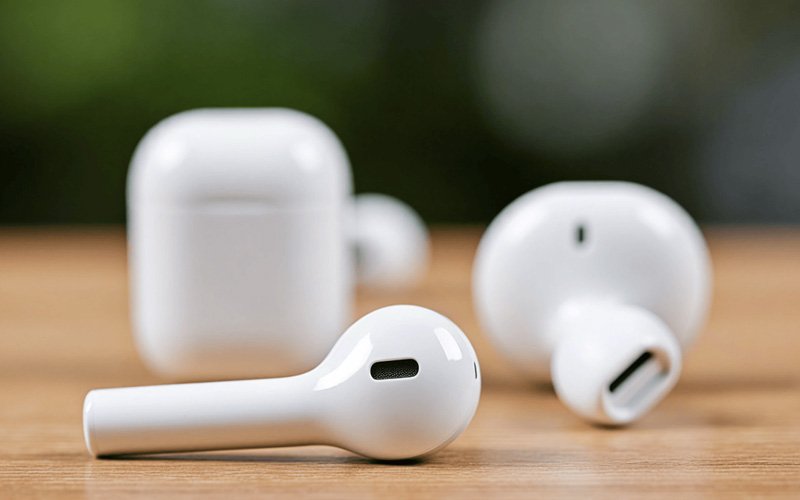
As electronic devices become increasingly thinner, lighter, and more multifunctional, engineers face a common challenge: how to achieve strong yet flexible and reliable connections between different materials (plastics, metals, glass, flexible circuits) within miniaturized spaces? Traditional bonding solutions often struggle to balance these demands—some offer sufficient strength but are too rigid and prone to cracking; others cure quickly but lack temperature and humidity resistance.
This is precisely where PUR Hot Melt Adhesive (Moisture-curing Reactive Polyurethane Hot Melt) demonstrates its unique value. Combining the rapid positioning advantages of traditional hot melts with the high-performance characteristics of reactive adhesives, it has emerged as the favored “Flexible Bonding Expert” in electronics manufacturing.
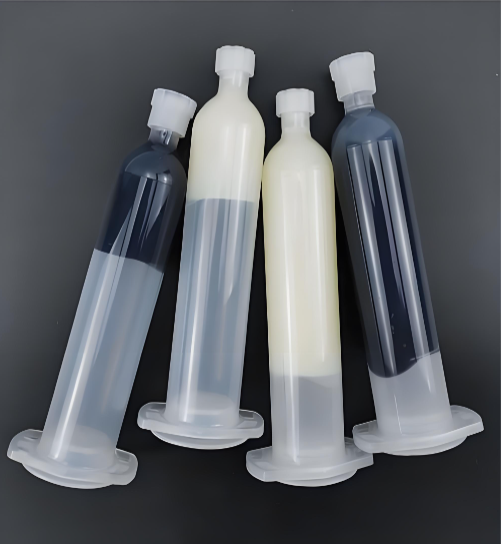
Part 1: The Unique “Dual Personality” of PUR Hot Melt
The core appeal of PUR hot melt lies in its clever integration of two distinct curing mechanisms:
Phase One: Physical Setting (Seconds) —— After heating and application, it rapidly cools and solidifies as the temperature drops, providing initial bond strength to meet the production line’s need for quick positioning. This characteristic, similar to traditional EVA hot melts, ensures efficient production cycles.
Phase Two: Chemical Crosslinking (Hours/Days) —— After cooling, the reactive groups in the adhesive undergo an irreversible chemical reaction with moisture in the air, forming a stable three-dimensional network structure. This process endows the final bond layer with excellent strength, flexibility, temperature resistance, and chemical resistance.
This dual-cure mechanism of “physics first, chemistry second” allows PUR hot melt to stand out in electronics manufacturing: it adapts to the rhythm of high-speed automated production lines while meeting the reliability requirements of products over long-term service.
Part 2: Core Application Areas in Electr onics
With the rapid development of consumer electronics, automotive electronics, and wearable devices, the application boundaries of PUR hot melt are continuously expanding.
1. Structural Bonding for Handheld Devices
In smartphones and tablets, PUR hot melt is widely used for plastic-to-metal and plastic-to-glass bonding of dissimilar materials. Its excellent flexibility effectively absorbs impact energy during drops, reducing the risk of brittle cracking, while its good weather resistance ensures long-term reliability in outdoor environments.
2. Wearable Electronics Assembly
Devices like smartwatches, fitness bands, and TWS earbods present a dual challenge for adhesives: they must resist sweat corrosion while maintaining comfort during extended wear. The flexibility of PUR hot melt makes it ideal for bonding skin-contact components to electronic modules, and its low VOC characteristics aligns with environmental requirements.
3. Module Encapsulation and Sealing
In battery modules and power adapters, PUR hot melt is used for localized potting of circuit boards and cable fixation. Its rapid curing characrestics supports efficient production flow, while the cured elastomer buffers vibration stress and protects sensitive components.
4. Display and Optical Module Bonding
In display bezel fixation and camera module assembly, PUR hot melt offers process advantages of precision dispensing and controlled flow. Through formulation design, various open times can be achieved to match the requirements of automated production lines.
5. Flexible Circuit and Film Bonding
With the rise of foldable screens and flexible electronics, PUR hot melt is used for fixing flexible circuit boards to support structures. Its cured flexibility allows it to bend with the circuit while maintaining good adhesion.
Part 3: Technological Evolution: From General-Purpose to Specialized
PUR hot melt is not a single product but a technology platform that can be “tailored” according to application requirements.
By Curing Speed:
-
Fast-Curing Type: Designed for high-speed automated lines, it reacts quickly with moisture after application, significantly reducing production waiting time.
-
Standard-Curing Type: Focuses on positioning stability during the curing process, suitable for complex structural assembly.
By Substrate Combination:
For different substrate combinations such as plastic-to-plastic, plastic-to-metal, and plastic-to-glass, formulations can be adjusted to optimize interfacial compatibility.
By Functional Integration:
As technology advances, specialty products such as thermally conductive PUR, flame-retardant PUR, and reworkable PUR are gradually entering the electronics manufacturing field, meeting more subfeild technical needs.
Part 4: Process Considerations and Design Guidelines
To fully leverage the value of PUR hot melt in electronics manufacturing, the following points deserve attention:
1. Humidity Management is Critical
PUR’s secondary curing relies on ambient moisture. During storage, transportation, and application, packaging integrity must be strictly controlled; after application, sufficient moisture exposure time and environmental humidity (typically ≥50% RH) must be ensured for complete curing.
2. Open Time Matching
PUR hot melt rapidly builds initial strength during cooling, meaning component positioning must be completed within the “open time” window. When designing automated lines, the transfer time from application to assembly must be precisely matched to the adhesive’s open window.
3. Dispensing Process Adaptation
Heated PUR hot melt flows well, making it suitable for various application methods including jet dispensing, spiral coating, and slot coating. Through temperature control and pressure adjustment, precise adhesive volume control from nanoliters to microliters can be achieved.
4. Reworkability Design
Some PUR hot melts possess thermal reversibility, softening at certain temperatures to support non-destructive disassembly and rework—particularly important for high-value electronic modules.
Part 5: Market and Future Trends
From a market perspective, PUR hot melt is experiencing steady growth. In 2024, the global moisture-curing reactive polyurethane hot melt adhesive market revenue was approximately $1.163 billion, projected to reach $1.530 billion by 2031, with a CAGR of 4.0%. Within the electronics application segment, growth is even more significant: the PUR electronic hot melt market is expected to reach $471 million by 2032, with a CAGR as high as 8.2%.
Key drivers of this growth include:
-
Electronics miniaturization driving demand for precision bonding
-
Automotive electrification requiring weather-resistant adhesives
-
Wearable devices pursuing flexible bonding solutions
-
Stricter environmental regulations accelerating the replacement of solvent-based products with low-VOC alternatives
Looking ahead, PUR hot melt technology is evolving towards higher performance, greater sustainability, and smarter functionality. The development of bio-based raw materials, low-temperature application technologies, and the integration of dual/multi-cure systems will become hotspots for innovation in the next phase.
PUR hot melt adhesive, with its unique philosophy of “fast first, strong second,” is providing electronics manufacturing engineers with an ideal solution that balances efficiency and reliability. It is no mere upgrade of traditional hot melts but a “Flexible Bonding Expert” born to meet the demands of next-generation electronic products.
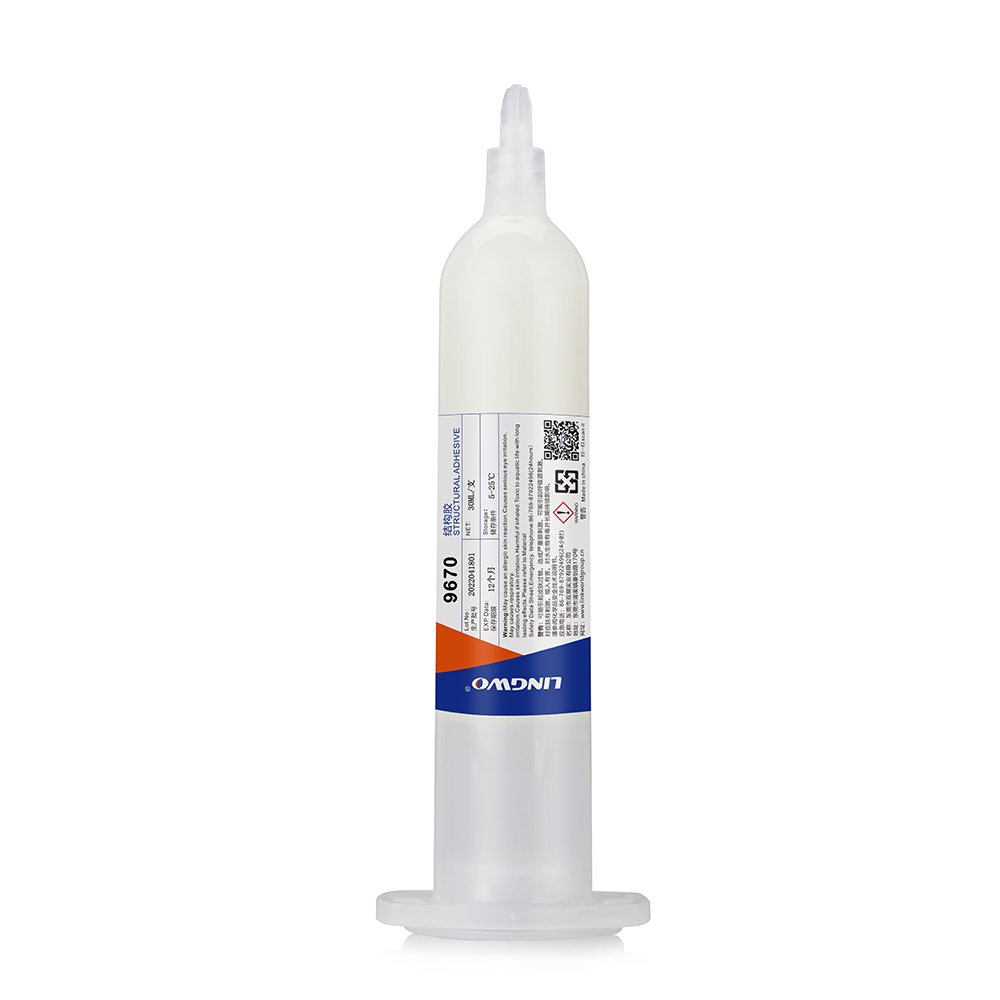
We specialize in providing high-performance PUR hot melt customized solutions for electronics manufacturing, partnering with clients to overcome every precision bonding challenge—from material selection and process validation to mass production support.
Interaction & Discussion:
In your electronics manufacturing practice, have you encountered the following challenges?
Long-term reliability issues with bonding dissimilar materials (e.g., plastic to metal)
Process conflicts between the need for fast positioning and high-temperature resistance
Special requirements for adhesive reworkability
Feel free to share your application scenarios or technical concerns in the comments, and we’ll provide targeted suggestions and case references.
#PURHotMelt #ElectronicAdhesives #PrecisionManufacturing #ConsumerElectronics #AutomotiveElectronics #FlexibleBonding #ProcessOptimization