

Resource
Certificate Honor
Integrity, professionalism, innovation, and efficiency
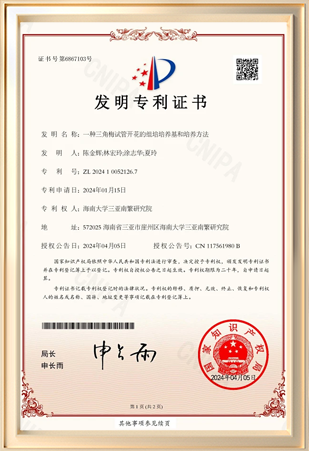
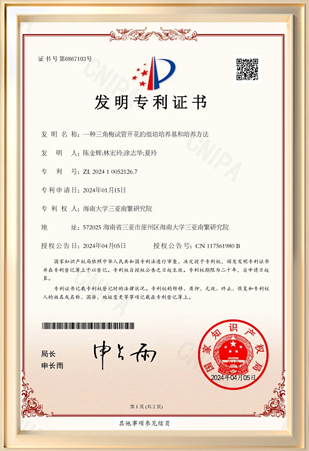
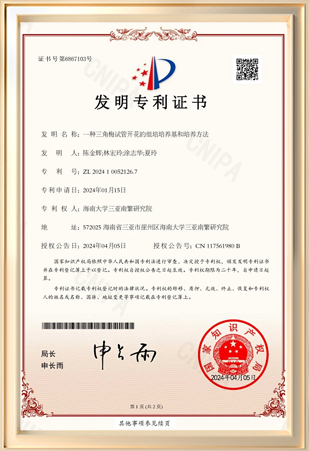
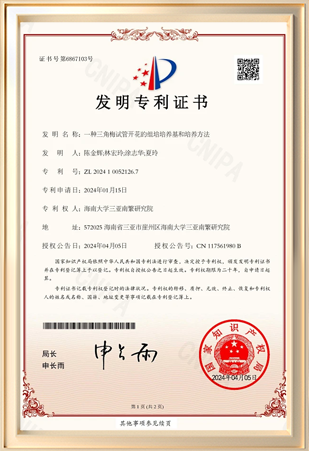
Certificate Honor

Frequently Asked Questions
Question: With diverse materials and complex processes in electronics manufacturing, how can I scientifically select a suitable adhesive?
Core Answer: Adhesive selection is a systematic process that requires considering four key elements: Substrate Materials, Operational Environment, Process Constraints, and Regulatory Certifications. The most efficient path is leveraging our professional selection service.
In-Depth Analysis:
- Identify Substrates & Conditions:First, clarify the materials to be bonded (e.g., metal, plastic, glass) and the challenges the product will face, such as thermal cycling, chemical exposure, mechanical vibration, or high humidity. Our products are extensively applied across demanding scenarios from consumer electronics to automotive and medical fields.
- Match Process & Performance:Evaluate your production conditions, such as the need for automated dispensing, desired cure speed, and application space. We offer a wide range of solutions from instant-cure UV adhesives and high-strength epoxy AB adhesives to exceptionally tough PUR adhesives, with comprehensive coverage of viscosities and curing properties.
- Confirm Compliance Requirements:For products targeting export, medical, or automotive markets, confirming compliance with environmental (e.g., RoHS/REACH) and safety certifications is essential. All our products undergo stringent third-party testing and certification, and we provide complete reports to ensure compliance.
Final Recommendation: The most effective selection method is to initiate our Co-Development Process. Simply provide substrate samples and a description of your requirements. Our team of certified application engineers will conduct a professional scenario analysis to recommend and test the most suitable solution.
Question: These three are all common structural adhesives. What are their fundamental differences in principle and application?
Core Answer: The core distinction lies in their curing mechanisms, which directly determine their performance characteristics and optimal application scenarios.
In-Depth Analysis:
- UV Adhesives (Light Cure):Cure within seconds upon exposure to ultraviolet light. They are clean, transparent, and ideal for high-efficiency automated production. Particularly suitable for bonding transparent materials, precision alignment, and assembly of medical consumables.
- Epoxy Adhesives (Chemical Cure):Typically two-component, forming a thermosetting material with extremely high strength, excellent chemical resistance, and temperature tolerance after mixing. They are the preferred choice for PCB potting, high-strength structural bonding, and protection in harsh environments.
- PUR Adhesives (Moisture Cure):Single-component, curing by absorbing atmospheric moisture. They combine strong initial tack with high ultimate strength, and are notable for their exceptional toughness and impact resistance. Widely used for narrow-bezel bonding in consumer electronics, automotive interiors, and components subject to dynamic loads.
Final Recommendation: Choose UV adhesives for fast, automated production; Epoxy adhesives for ultimate strength and durability; PUR adhesives for superior toughness and balanced processability. We offer a full product portfolio and comparative testing support to help you make the precise choice.
Question: UV adhesive processes seem straightforward, yet incomplete curing is a common production issue. What causes this?
Core Answer: This is typically due to insufficient UV energy, inadequate irradiation, or a mismatch between the adhesive and the process.
In-Depth Analysis:
- Light Source & Energy:UV lamp intensity degradation, wavelength mismatch, or insufficient exposure time all lead to inadequate curing energy. Regular verification and stabilization of process parameters are necessary.
- Material & Design:UV light cannot penetrate opaque components or excessively thick adhesive layers. For deep gaps or thick coating applications (e.g., >2mm), we offer specialized Thick-Coating UV Conformal Coatings designed for complete through-cure.
- Process Matching:Different UV adhesive formulations have varying "cure depths" and sensitivities. Selecting a type compatible with your substrate, color, and curing conditions is crucial.
Final Recommendation: Optimizing the curing process requires thorough process validation. For complex structures, consider using our products with shadow-cure or dual-cure characteristics, which can complete curing via moisture or heat after initial light exposure, ensuring reliability.
Question: What are the critical control points for successfully using mixed two-component adhesives?
Core Answer: The keys to success are "Precise Ratio, Thorough Mixing, and Proper Timing."
In-Depth Analysis:
- Precise Metering:Use dedicated dispensing equipment to ensure the accurate mixing ratio of Parts A and B. Deviations can severely compromise final performance.
- Complete Homogenization:Mix until the color and consistency are completely uniform. Static mixers must be replaced regularly to maintain mixing efficiency.
- Control Pot Life:The adhesive's viscosity increases after mixing, and the usable working time (pot life) is limited. Complete dispensing and assembly within the specified time is essential. We offer products with pot lives ranging from minutes to hours to suit various production line paces.
Final Recommendation: For volume production, automated meter-mix-dispense equipment is recommended. We can provide comprehensive technical guidance and training, from product selection to application processes, to help you establish a stable and reliable procedure.
Question: PUR adhesives offer excellent performance but have strict process requirements. What precautions are necessary?
Core Answer: The core principle is understanding their "moisture-curing" nature and ensuring "Dry Storage and Timely Assembly."
In-Depth Analysis:
- Dry Storage:Unopened original packaging must be stored in a dry environment. After opening, immediate and strict resealing is mandatory. Using smaller portions is advised to minimize exposure.
- Dry Equipment:The dispensing system (reservoirs, hoses) must be kept dry to prevent pre-curing of the adhesive inside the equipment.
- Process Control:The "open time" (window for assembly after dispensing) must be strictly controlled. Our liquid PUR products are optimized for stable viscosity and non-stringing dispensing, facilitating precise automated application.
Final Recommendation: Establish strict material and equipment management protocols. We can provide detailed process parameter windows and on-site support to ensure the stable performance advantages of PUR adhesives.
Question: How can I ensure the adhesive remains reliable throughout the product's lifespan?
Core Answer: Reliability must be validated through accelerated aging tests that simulate harsh service environments.
In-Depth Analysis:
- Standard Performance Tests:Including initial tests for shear strength, peel strength, hardness, etc.
- Environmental Reliability Testing (Core):Tests such as thermal cycling, damp heat (Double 85 test), thermal shock, and salt spray. Our conformal coatings, silicone adhesives, and other products are designed and validated to pass stringent environmental reliability tests.
- Application Simulation Tests:Such as complete device drop tests and vibration tests.
Final Recommendation: Develop a testing plan during the product development phase. Based on your application field, we can provide customized testing proposals and issue authoritative performance and reliability test reports backed by our well-equipped laboratory.
Question: For products meant for export or sensitive industries, can your adhesives meet relevant regulations?
Core Answer: Absolutely. Compliance is foundational to our products. Our full range complies with major international regulations, and we provide specific support for specialized industries.
In-Depth Analysis:
- Comprehensive Environmental Compliance:All products undergo third-party testing to ensure compliance with global regulations like RoHS, REACH, and HF (Halogen-Free).
- Industry-Specific Certifications:We offer a dedicated Medical-Grade Adhesive Series. Their biocompatibility is assessed, and they can withstand various sterilization methods (e.g., EtO, Gamma Radiation), meeting the stringent requirements of the medical industry.
Final Recommendation: Please specify your target market and industry during preliminary inquiries. We will directly recommend products with complete compliance certifications and provide the necessary documentation.
Question: When bond failure occurs, how can I systematically analyze the cause?
Core Answer: Bond failure requires systematic troubleshooting across four dimensions: "Adhesive, Substrate, Process, and Environment."
In-Depth Analysis:
- Adhesive Factors:Was the selection suitable for the application environment (temperature, chemical, toughness)? Was it within shelf life and stored correctly?
- Substrate & Surface Preparation:Was the surface contaminated with oil, mold release agents, etc.? Were specialized primers needed for low-surface-energy materials?
- Process Execution:Were the application amount, mix ratio, and cure conditions (time, temperature, UV energy) strictly followed per technical specifications?
- Design & Environment:Was there a design flaw causing stress concentration? Did the actual service environment exceed expectations?
Final Recommendation: In case of failure, preserve samples and contact our technical support. We offer professional Failure Analysis (FA) Services to scientifically identify the root cause and propose effective corrective actions.
Question: How do storage conditions affect adhesive performance, and how should they be managed?
Core Answer: Follow the general principles of "Cool, Dry, Dark, and Sealed" storage, and strictly implement First-In-First-Out (FIFO) inventory management.
In-Depth Analysis:
- General Conditions:Store in a dry, clean environment at 8-25°C (46-77°F) is recommended.
- Category-Specific Notes:UV adhesives must be strictly protected from light; Epoxy/Acrylic AB adhesives components must be stored separately and sealed; PUR/Single-component moisture-cure adhesives require utmost importance on sealing against moisture.
- Shelf Life Management:All products have a defined shelf life. The performance of expired products cannot be guaranteed and should not be used in formal production.
Final Recommendation: Establish a standardized chemical storage management system. We provide clear storage guidelines upon product delivery and offer related advice during technical services.
Question: If existing products don't meet specific needs, can you assist with development?
Core Answer: Yes. Providing customized Co-Development solutions is one of our core services.
In-Depth Analysis: Our custom development process is professional and efficient:
- Requirement Alignment:In-depth discussion of all your technical requirements, process conditions, and regulatory standards.
- Formulation Design & Sampling:Leveraging strong R&D capabilities for formulation design and providing test samples.
- Testing & Optimization:Conducting tests in our lab or your production line, optimizing the formula based on feedback until requirements are met.
- Mass Production & Support:Ensuring consistent quality from sample to mass production, with ongoing tracking service.
Final Recommendation: Faced with unique bonding challenges, you are welcome to contact us with your specific needs and samples to initiate the Co-Development Process and jointly create the optimal solution.